Description
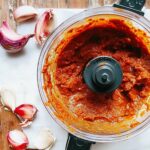
Short on time, but want Tom Yum packed flavor in your weeknight dinners? Discover all the secrets to making your own easy Tom Yum Paste!
Ingredients
3-7 Dried red Thai chili peppers, depending on spicy preference, de-seeded, and minced
3 Dried Guajillo chilies, de-seeded and minced
1 tsp. salt
4 Lemongrass stalks, minced
1 tbsp.Galangal, (about a 2 in. piece, no need to peel) minced
2 shallots, minced
2 tbsp. garlic, minced
1 tbsp. cilantro stems, minced
6 Kaffir lime leaves, stems removed and minced
1 tsp. White pepper powder
1 tsp. coriander powder
4 tbsp.Tamarind paste
1 lime, zested and juiced, about 1 tsp lime zest and 1 tbsp lime juice
2 tsp. Shrimp paste
1 tbsp. Fish sauce
2 tbsp. Palm sugar
Instructions
1. Prep the Chilies
Cut 3–7 dried Thai red chilies (depending on spice preference) and 3 dried Guajillo chilies in half and remove seeds (wear gloves if you’re sensitive).
Soak the Thai chilies and Guajillo chilies in hot water for about 10 minutes, or until softened.
Drain, reserving the soaking water to use later when blending if needed.
2. Choose Your Method
Immersion Blender Method
- Add the softened chilies and all remaining ingredients to an immersion blender cup or deep bowl.
- Blend until smooth, scraping down sides as needed.
- If needed, add 1–2 tablespoons of the reserved chili soaking water to help the blades catch and make a smooth paste.
Food Processor or Mini Food Chopper Method
- Add all ingredients to the food processor bowl.
- Pulse a few times to break everything down, then blend continuously until a paste forms.
- Add the reserved chili soaking water a tablespoon at a time as needed to help the mixture blend smoothly.
Mortar and Pestle Method (Traditional)
If you’d like to go the authentic route, which is my fav since it gets all those beautiful oils in it and puts your heat and soul into the paste, mince all ingredients very finely before starting.
- Add the softened chilies and 1 tsp coarse sea salt to a large granite mortar and pestle. Pound until the chilies become a smooth paste.
- Add lemongrass and galangal, pounding until incorporated.
- Add shallots and garlic, pounding until smooth.
- Add cilantro stems, kaffir lime leaves, coriander powder, and white pepper powder, pounding between each addition.
- Finally, mix in tamarind paste, lime juice/zest, shrimp paste, fish sauce, and palm sugar until fully combined.
3. How to Use Tom Yum Paste
One of my favorite things about this paste is how versatile it is! Once you make a batch, you can keep it in the fridge or freezer and quickly add bold, hot-and-sour Tom Yum flavor to almost anything. Here’s how we use it most:
- Shrimp Tom Yum Soup or Chicken Tom Yum Soup: Add about 1/4-1/2 cup of the Tom Yum Paste for a quick, cozy bowl of Tom Yum if you aren’t up for chopping all the fresh herbs. Adjust to taste, we usually go a little extra when we want it really bold and tangy.
- Tom Yum Soup Noodles: Use this paste as the shortcut base for my Tom Yum Soup Noodles recipe. It gives you all the authentic Thai flavor with half the prep time, perfect for one bowl dinner weeknights.
- Tom Yum Fried Rice: This is how we use our paste most often on busy weeknights! Just stir in 2-4 tablespoons or more to your wok with leftover rice, shrimp or chicken, and veggies. Dinner’s done in minutes.
- Tom Yum Pasta: My fusion-loving side loves this one, toss it into noodles with coconut milk and shrimp for a creamy, spicy pasta.
- Tom Yum Chicken Wings: Toss your wings with a few spoonfuls of paste before baking for my Tom Yum Baked Chicken Wings, spicy, tangy, and finger-licking good!
- Soups & Stir-Fries: Add a spoonful to almost any stir-fry or broth-based soup when you want that signature Thai zing.
4. Storage
- Fridge: Store in an airtight container for up to 1 week.
- Freezer: Freeze in ice cube trays or small jars for up to 6 months. Thaw just what you need for easy weeknight cooking.
- Reheat Frozen Tom Yum Paste: If you used the ice cube trays you can just pop them out, and they will thaw quickly in a bowl on the counter, or you can defrost the paste in a microwave on a low (20% setting).
Notes
Additions and Substitutions
- Shrimp paste substitute: if you are vegetarian or vegan, or just can’t find shrimp paste, you can substitute the shrimp paste for the same amount of miso, or just leave it out.
- Dried red Thai chili peppers substitute: Fresh or dried cayenne peppers or serrano chiles. They aren’t as spicy, so feel free to add more than the amount you would have added of Thai chili peppers if you still want it spicy.
- Dried Guajillo chilies substitute: The same amount of Dried Ancho chile or the Pasilla Negro chile. In Thailand they use dried Thai Spur chilies, but I have trouble finding them in America.
- Lemongrass substitute: 1 tsp. lemon or lime zest for each stalk.
- Galangal substitute: There really isn’t another herb that comes close enough to the flavor profile of galangal to substitute. Just leave it out if you can’t find it.
- Shallot substitute: ½ of a small red onion.
- Kaffir lime leaf substitute: ½ tsp lime zest for 1 leaf
- Palm Sugar substitute: the same amount of brown sugar.
Tom Yum Paste Recipe Tips & Tricks
- Finely Chop First: No matter which method you use, finely chop the lemongrass, galangal, shallots, and kaffir lime leaves first. This makes them much easier to break down into a smooth paste.
- Immersion Blender (Best for Busy Nights): I love using my immersion blender for Tom Yum Paste because you don’t need to add extra water to help it blend (like you usually do with a food processor). The paste stays thick, concentrated, and perfect for freezing — plus cleanup is quick and easy.
- Food Processor or Mini Chopper: If you don’t have an immersion blender, a mini chopper or small food processor works better than a large one. The smaller bowl helps catch all the ingredients so they blend evenly. Just add a little of the chili soaking water, a tablespoon at a time, until you reach a paste consistency.
- Mortar and Pestle (My Favorite!): In Thailand, pastes like this are traditionally made with a large 9″ granite mortar and pestle. The heavy pestle releases the natural oils from the herbs, making the flavor even more intense. It also adds a certain heart and soul to the dish — you can feel the ingredients coming together as you pound, just like generations before you did.
- If you only have a small mortar and pestle, work in batches for the best result.
- Avoid wooden mortar and pestles for pastes — they’re better for lightly bruising herbs and aren’t heavy enough to fully break down tough ingredients like lemongrass or galangal.
- Prep Time: 15
- Category: Paste
- Method: Blending
- Cuisine: Thai