

Ever made my Chicken Pad Thai recipe or bought Pad Thai, and then wondered the next day how to reheat Pad Thai so it’s not just one dried up clump of noodles?
You’re not alone! Shrimp Pad Thai is one of Thailand’s most beloved noodle dishes, but reheating it can be tricky. The balance of chewy noodles, tangy tamarind, and savory sauce is easy to lose if it’s warmed up the wrong way.
Don’t worry! In this post, I’ll show you how to reheat Pad Thai so it tastes just as delicious as when it first came out of the wok.
Want to dive deeper into what makes authentic Pad Thai so special? Check out my Complete Authentic Guide to Pad Thai where I share its history, ingredient substitutes, and the cooking secrets I teach in my Thai classes.
My Favorite Way: Reheat Pad Thai in a Wok or Skillet

This is my favorite way because it uses the same method you used to cook it in the first place, so it tastes almost just like when you first made Shrimp Pad Thai or brought it home fresh.
Steps:
- Add oil: Heat 1 tablespoon of oil in a nonstick skillet or wok over medium heat.
- Add noodles: Toss in your Pad Thai and break up any clumps with a spatula or tongs.
- Add moisture: Sprinkle 1–2 tablespoons of water, a squeeze of lime juice, or a drizzle of leftover Pad Thai Sauce.
- Stir-fry: Keep stirring for about 2–4 minutes until everything is warmed through.
- Taste test: Add a tiny drizzle of more Pad Thai Sauce, or just fish sauce, or tamarind paste, or lime juice, if it if it needs a flavor refresh.
How to Reheat Pad Thai in the Microwave (Quick Option)

If you’re short on time, the microwave method works, just use these tricks to keep your noodles from drying out.
Steps:
- Place the Pad Thai in a microwave-safe bowl.
- Sprinkle 1 tablespoon of water over it, or 1 tablespoon of leftover Pad Thai Sauce or a squeeze of ime juice.
- Cover the bowl with a damp paper towel and/or microwave lid.
- Microwave for 30 seconds, stir, then heat for another 20–30 seconds if needed.
Pro tip: Don’t overheat. Rice noodles turn rubbery fast. Stop as soon as it’s hot enough to eat.
Reheating Pad Thai in the Oven or Air Fryer

This option is great if you’re reheating a large portion, especially for family leftovers.
Oven Method:
- Preheat to 350°F (175°C).
- Spread Pad Thai on a baking sheet or oven-safe dish.
- Sprinkle a few tablespoons of water, leftover Pad Thai Sauce, lime juice, or oil and cover tightly with foil.
- Bake for 10–12 minutes, stirring once halfway through.
Air Fryer Method:
- Line the basket with foil to prevent sauce drips.
- Add Pad Thai, and a few tablespoons of water, leftover Pad Thai Sauce, lime juice, or oil and heat at 325°F (160°C) for 3–4 minutes.
- Toss halfway to avoid crisping too much.
Why it works:
The oven reheats evenly and helps revive sauce texture. The air fryer adds a light char if you want slightly crisp noodles.
What Makes Pad Thai Tricky to Reheat?
Pad Thai (ผัดไทย) seems like such a simple dish, so why is it so hard to reheat it to get it back to great texture and flavor it started out with? Here’s what’s going on::
- Rice noodles lose moisture easily when refrigerated.
- Sauce thickens and can cause the noodles to clump together.
- Protein and veggies can overcook if reheated too quickly.
So when people ask how to reheat Pad Thai, the key is gentle heat and a touch of moisture to bring everything back to life. Here are three ways to warm up Pad Thai:
Reheating Tips Recap
| Method | Best For | Key Tip |
|---|---|---|
| Wok/Skillet | Best texture | Add oil + splash of water or sauce |
| Microwave | Quickest | Cover with damp paper towel |
| Oven/Air Fryer | Large portions | Cover with foil to keep moist |
How to Store Pad Thai for Easy Reheating
Fridge: Pad Thai stays fresh for up to 3 days when stored in an airtight container. Before sealing it, drizzle in about a teaspoon of oil and give it a quick toss. That helps keep the noodles from sticking together.
Freezer: I wouldn’t recommend freezing Pad Thai since I think it messes with the noodles too much, but if you are desperate to, you can freeze Pad Thai for up to 2 months.
Let it cool completely first, then store it in a freezer-safe container or zip-top bag with as much air removed as possible. Thaw overnight in the fridge before reheating using any of the methods above.
Sherri’s Thoughts

If you know me, you know Beef Pad Thai is one of our family’s go-to comfort foods, and one of Thai Hubby’s favs.
When I make a big batch for our family of six, I always keep a portion for the next day. My favorite method is definitely reheating it in a wok with a little oil, a splash of leftover Pad Thai Sauce if I have some, or a splash of lime juice, it tastes just like takeout in Bangkok again.
Shortcut tip: If I’m packing leftovers for lunch for Thai Hubby to take to work, I like to sprinkle some Pad Thai sauce on top, and add in some fresh bean sprouts, green onions, and crushed peanuts on top too to give it that freshly-made crunch.
If you love little Thai kitchen tricks like this, I share Thai cooking tips, recipes, and stories every week in my email list, kind of like chatting in my kitchen over Chicken Pad Thai! You can subscribe here and get my free Substitution Hacks Guide too!
FAQs About Reheating Pad Thai
Heat 1 teaspoon of oil in a nonstick pan or wok over medium heat. Add your leftover Pad Thai and sprinkle in 1–2 teaspoons of water, or leftover Pad Thai sauce or lime juice to add flavor and loosen the noodles. Stir-fry for 2–4 minutes until hot and glossy again. It brings back that chewy texture and wok-fresh flavor!
Turn them into a noodle salad by tossing the cold, cooked noodles with my Thai Peanut Dressing, chopped herbs, and a squeeze of lime, kind of like my Thai Peanut Salad, but even faster! If you’re craving something warm, use your leftovers as a base for my Garlic and Pepper Chicken or stir them into a quick veggie stir-fry like my Thai Vegetables Stir-Fry.
Pad Thai keeps up to 3 days in the fridge in an airtight container. Add a drizzle of oil before sealing to keep the noodles from sticking. Reheat only once so they stay tender and flavorful.
Set your oven to 350°F (175°C). Place the food in an oven-safe dish, sprinkle on a few tablespoons of water, oil, lime juice or leftover Pad Thai Sauce and cover tightly with foil. Heat for about 10–15 minutes, stirring once halfway through. The steam trapped by the foil keeps everything soft and moist.
Yes. Add a splash of water or lime juice and reheat over medium heat to restore the moisture and sauce consistency.
You can, but it’s not my favorite method. Steam adds moisture that can make the noodles soft and soggy very quickly. If you try it, keep the steaming time short, just a few minutes, and toss in a bit of oil after reheating to bring back some shine. But honestly, reheating in a wok, skillet or microwave gives better texture and flavor.
Mix in a bit more Pad Thai sauce or a drizzle of lime juice, fish sauce, or tamarind paste, and toss well, it’ll bring back the saucy magic.
It’s best not to. Every time you reheat Pad Thai, the noodles lose more moisture and texture. Reheat only once, and store leftovers in an airtight container in the fridge for up to 3 days. If you know you won’t finish it all, divide portions before reheating so you only warm what you’ll eat.
Try My Pad Thai Recipes Next
- Chicken Pad Thai – My go-to classic with tangy, sweet, and savory flavors everyone loves.
- Shrimp Pad Thai – Juicy shrimp and chewy noodles tossed in authentic tamarind sauce.
- Pad Thai Beef – A hearty version with tender beef and rich, bold flavor.
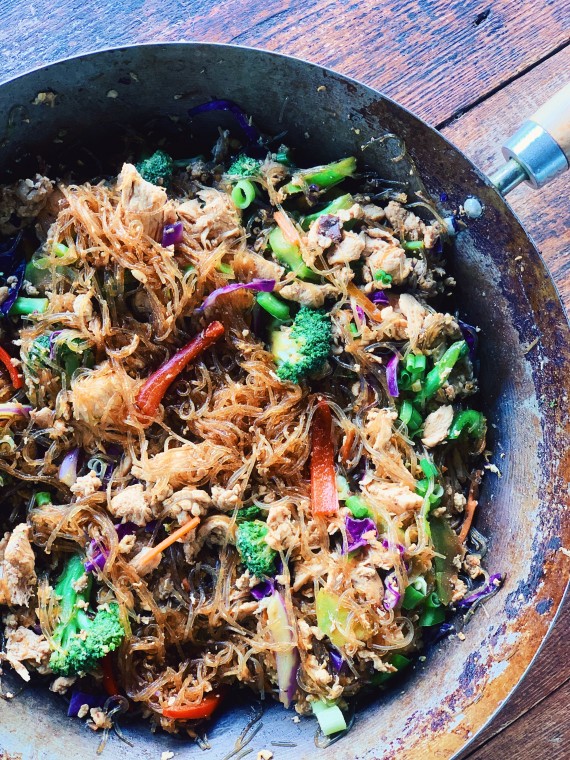
- Woon Sen Pad Thai – A lighter twist made with glass noodles that soak up the sauce perfectly.
- Pad Thai Sauce – The easy, authentic sauce I use in all my Pad Thai recipes.
Now you know how to reheat Pad Thai without losing its signature texture and flavor! Next time you bring home leftovers from your favorite Thai restaurant, or if you make Beef Pad Thai in your own kitchen, you’ll know exactly how to revive them to their saucy, savory best!
As always, contact me here, and let me know if you have any other Thai cooking questions! I’m here for you dear!


Leave a Reply