

Want to make your Pad Thai taste just like the one from your favorite Thai place? This Pad Thai sauce is the key! Make it in minutes, store it for weeks, and bring authentic Thai flavor to your kitchen whenever the craving strikes.
What Goes in Pad Thai Sauce?
Pad Thai sauce is a mix of tamarind paste, fish sauce, and palm sugar, the classic Thai trinity that gives Pad Thai its perfect harmony of sweet, sour, and savory. I also add brown sugar for a bit more depth and water to mellow it out. That’s it!
No ketchup or peanut butter like you’ll find in some Americanized versions, this one is the real deal, the kind my Thai Hubby grew up with in Sukhothai, Thailand.
Fun fact: Most Thais don’t make their own Pad Thai sauce because they usually grab Pad Thai from a street vendor! But now you can be that vendor, right in your own home!
And if you want ideas for what to pour this legit Pad Thai sauce over, don’t miss my Shrimp Pad Thai, packed with the traditional protein of shrimp; Chicken Pad Thai, my kids favorite way to eat it; or Pad Thai Beef, Thai Hubby’s go-to with tender beef and bold flavor!
Want to dive deeper into what makes authentic Pad Thai so special? Check out my Complete Authentic Guide to Pad Thai where I share its history, ingredient substitutes, and the cooking secrets I teach in my Thai classes.
Why You’ll Love This Recipe
- Authentic flavor – I’m a Thai cooking class teacher, and this is the same sauce my Thai Hubby approves, and that I teach in class, it’s legit!
- Make-ahead magic – Stir up a batch and stash it in your fridge for up to 3 weeks.
- Flexible – Use it on noodles, veggies, tofu, or even grilled chicken. Your Thai weeknight dinner dreams just came true!
Pad Thai Sauce Ingredients You’ll Need

Quick tip: If you see a Pad Thai sauce recipe with ketchup, vinegar, soy sauce, or peanut butter, it’s more of a fusion version. I jokingly call it Sad Thai! It might still be tasty, but it won’t have the same flavor you’d find in traditional Pad Thai.
- ½ of a tamarind block or ¾ cup tamarind concentrate– Tamarind gives the sauce its tangy base. I like making my own paste from a tamarind block, but you can use jarred concentrate to make it easier.
- ¾ cup palm sugar, finely chopped – This adds the signature sweetness Thais love. If you prefer a less sweet Pad Thai, start with ½ cup palm sugar and ½ cup brown sugar and adjust to taste.
- ¾ cup brown sugar – A deeper, molasses-like sweetness that adds complexity.
- ⅓–½ cup fish sauce – Umami power! Start with ⅓ cup and add more to taste.
- ½ cup water – Helps everything balance together.
How to Make Pad Thai Sauce

Step 1: Prep the Tamarind
If you’re using ½ of a tamarind block, cover it in about 1 cup of warm water and let it soak for 10 minutes to soften. Then press the pulp through a fine-mesh colander using a spatula or spoon, scraping the paste from the underside. Discard the seeds and fibers.
For the traditional Thai method, which is what I do, you can just use your hands to squeeze out the pulp and toss the seeds. Measure out ¾ cup of the paste. Or if you’re short on time, you can use ¾ cup of jarred tamarind concentrate instead.
Step 2: Simmer the Sauce
In a small pot over medium heat, combine ¾ cup tamarind paste, ¾ cup palm sugar, ¾ cup brown sugar, and ⅓ to ½ cup fish sauce. Stir until the sugars fully dissolve and everything is smooth.

Step 3: Adjust to Taste
Add ½ cup water and stir to combine. Taste your sauce and adjust as needed—add more tamarind if you like it tangier, more sugar for sweetness, or more fish sauce for that salty umami depth.
Step 4: Cool & Store
Let the sauce cool completely, then pour it into a sealed jar. You can store it in the fridge for up to 3 weeks, or freeze it in portions (ice cube trays work great!) for up to 3 months.

How to Use It

This Pad Thai sauce is the base for all my Pad Thai noodle nights, and will make about 6 servings of Pad Thai. Use it in:
- Shrimp Pad Thai – The traditional protein used in Pad Thai
- Chicken Pad Thai – Cozy and family-approved
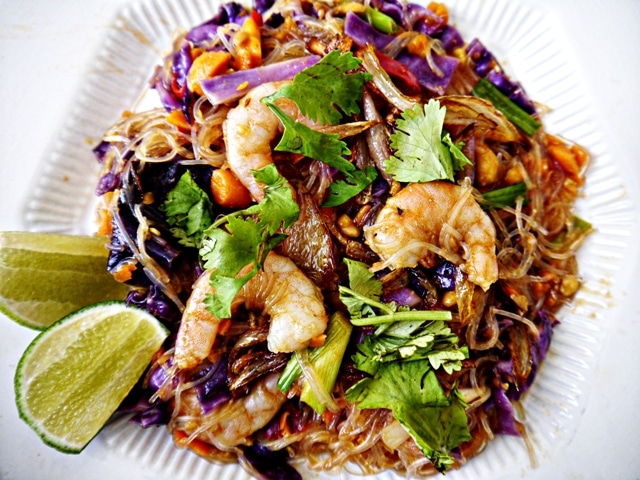
- Woon Sen Pad Thai – Using glass noodles, a lighter way to eat Pad Thai
- Pad Thai Beef – Thai Hubby’s favorite with tender beef strips
- Drizzle on when reheating Pad Thai– I loved when I have some extra Pad Thai sauce to add to Pad Thai when I’m reheating it to wake up the flavors again.
Or get creative—drizzle it over:
- Lettuce wraps for a tangy twist
- Stir-fried veggies
- Grilled shrimp or chicken
- Rice or noodle bowls
Additions and Substitutions
- Fish sauce substitute: Use 2 ½ tablespoons soy sauce + 2 ½ tablespoons vinegar + a pinch of salt to replace ⅓ cup fish sauce. Or check out my Vegan Pad Thai version!
- Palm sugar substitute: Replace with brown sugar.
- Brown sugar substitute: Replace with palm sugar.
- Tamarind substitute: Mix ½ cup rice vinegar + ¼ cup lime juice.
- Less sugar: Start with half the sugar, then adjust. But remember, the sweetness balances the sour and salty!
Tips for the Best Pad Thai Sauce
- Make ahead: Prep the sauce and store it in the fridge or freezer so you can stir-fry Pad Thai in minutes during busy weeknights.
- Time-Saver Tip: Short on time? Use jarred tamarind paste instead of making it from a tamarind block, and swap brown sugar for palm sugar so you don’t have to chop.
- Double the batch: You’ll thank yourself later!
- Customize it: Taste and tweak until it’s just right for your palate.
Behind the Pad Thai Sauce Recipe

When I’ve eaten Shrimp Pad Thai in Thailand, I’ve had it so many different ways from so many vendors, so my version might be a little different from what you’ve had, or from what your favorite Thai restaurant serves. But here’s what I always tell my Thai cooking class students: as long as the sauce has tamarind, palm sugar, and fish sauce, you know it’s legit.
These days, even some vendors in Thailand skip the traditional trio. In Thailand even, I’ve seen Pad Thai sauces made with ketchup, which I thought was only done in America! It’s a fast, cheap shortcut that replaces tamarind and palm sugar. And while some people might still enjoy the flavor, to me, that’s not Pad Thai… that’s Sad Thai.
On a recent trip to Thailand, I actually tasted ketchup in a Pad Thai I ordered. I casually asked the vendor what was in their sauce, and they just smiled and said it was a secret ingredient. But it wasn’t a secret to me, I knew right away something was off!
If you’re looking to make Pad Thai sauce faster, there’s a better way than using ketchup. You can use store-bought tamarind paste instead of making your own tamarind paste, and brown sugar instead of palm sugar so you don’t have to chop. It’s still delicious and way closer to the traditional flavor, quick and easy, without sacrificing what makes Pad Thai so special.
Pad Thai Sauce Frequently Asked Questions
Pad Thai sauce is made of tamarind paste, fish sauce, palm sugar, and water. Some versions also include brown sugar for added complexity. It’s the essential base for authentic Pad Thai.
Pad Thai is known for its perfect balance of sweet, sour, and savory. Tamarind gives it that signature tang, palm sugar adds sweetness, and fish sauce delivers deep umami.
The secret is balance! Start with tamarind, fish sauce, and palm sugar. Taste and tweak, don’t skip the tamarind, and don’t be shy with the fish sauce, and palm sugar adds a richer, rounder flavor.
Check out my Shrimp Pad Thai recipe here for all the deets, but in simple terms, make this Pad Thai sauce in advance. Then soak rice noodles, stir-fry garlic, shrimp, scramble in eggs, add noodles, pour over sauce, and toss with bean sprouts and green onions. Top with peanuts, Thai dried chili flakes, and lime. That’s it!
Yes! Homemade Pad Thai sauce is gluten-free, but restaurants don’t always make it gluten-free. Check out my Is Pad Thai Gluten-Free post to learn more!
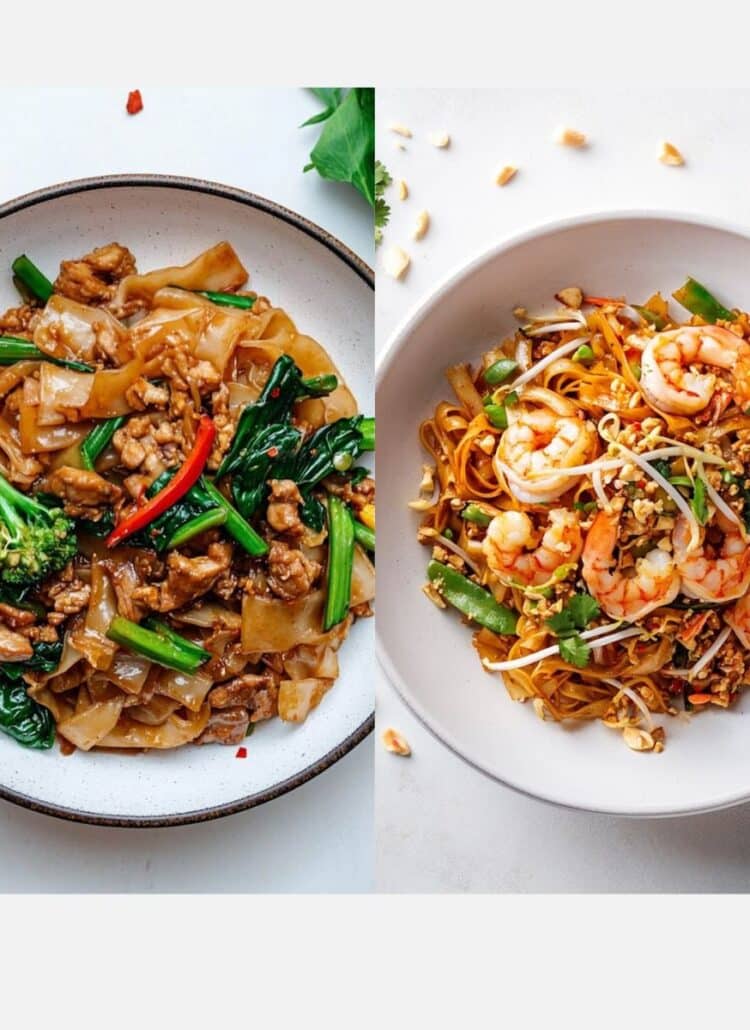
Pad Thai sauce doesn’t have any soy sauce in it, and Pad See Ew sauce is mainly made up of soy sauce. Check my Pad Thai vs. Pad See Ew post to learn all the differences between these two popular Thai noodle dishes.
Yes, you can! I like to use ½ coconut sugar and ½ brown sugar (about ¾ cup of each) because the mix gives a more balanced, layered sweetness. The coconut sugar adds a light caramel note, while the brown sugar deepens the flavor. It’s more of a chef’s preference than a rule. But if you use only palm sugar, your sauce will still taste delicious!
Want more Thai sauces and curry pastes to keep the flavor going?

- Massaman Curry Paste – A warm, cozy blend of Thai spices with cinnamon, cardamom, and cloves. Perfect for beef or chicken curry.
- Tom Yum Paste – Bright, citrusy, and a little spicy, ideal for whipping up hot and sour Thai soups in minutes.
- Panang Curry Paste – Rich, spicy, and a little nutty. This paste makes a crowd-pleasing Thai curry that’s a family favorite.
And if you want to learn how to make Pad Thai in person, come to one of my Thai cooking classes in Boone, NC!
If you make it, I want to see! Take a pic and tag me on Instagram @thaifoodie!
Print
Pad Thai Sauce – Easy, Authentic & Better than Takeout
- Total Time: 15 minutes
- Yield: around 2.25 cups, 6 servings or so of Pad Thai 1x
- Diet: Gluten Free
Description
Want to make your Pad Thai taste just like the one from your favorite Thai place? This Pad Thai sauce is the key! Make it in minutes, store it for weeks, and bring authentic Thai flavor to your kitchen whenever the craving strikes.
Ingredients
½ of a tamarind block or ¾ cup tamarind concentrate
¾ cup palm sugar, finely chopped
¾ cup brown sugar
⅓–½ cup fish sauce
½ cup water
Instructions
STEP 1: PREP THE TAMARIND
If you’re using ½ of a tamarind block, cover it in about 1 cup of warm water and let it soak for 10 minutes to soften. Then press the pulp through a fine-mesh colander using a spatula or spoon, scraping the paste from the underside. Discard the seeds and fibers.
For the traditional Thai method, which is what I do, you can just use your hands to squeeze out the pulp and toss the seeds. Measure out ¾ cup of the paste. Or if you’re short on time, you can use ¾ cup of jarred tamarind concentrate instead.
STEP 2: SIMMER THE SAUCE
In a small pot over medium heat, combine ¾ cup tamarind paste, ¾ cup palm sugar, ¾ cup brown sugar, and ⅓ to ½ cup fish sauce. If you prefer a less sweet Pad Thai, start with ½ cup palm sugar and ½ cup brown sugar and adjust to taste. Stir until the sugars fully dissolve and everything is smooth.
STEP 3: ADJUST TO TASTE
Add ½ cup water and stir to combine. Taste your sauce and adjust as needed—add more tamarind if you like it tangier, more sugar for sweetness, or more fish sauce for that salty umami depth.
STEP 4: COOL & STORE
Let the sauce cool completely, then pour it into a sealed jar. You can store it in the fridge for up to 3 weeks, or freeze it in portions (ice cube trays work great!) for up to 3 months.
STEP 5: USE IT
This Pad Thai sauce will make about 6 servings of Pad This. It’s the base for all my Pad Thai noodle nights! Use it in:
- Shrimp Pad Thai – The traditional protein used in Pad Thai
- Chicken Pad Thai – Cozy and family-approved
- Woon Sen Pad Thai – Using glass noodles, a lighter way to eat Pad Thai
- Pad Thai Beef – Thai Hubby’s favorite with tender beef strips
- Drizzle on when reheating Pad Thai– I love having a little extra Pad Thai sauce to add when I’m warming up leftovers to wake up the flavors again.
Or get creative—drizzle it over:
- Lettuce wraps for a tangy twist
- Stir-fried veggies
- Grilled shrimp or chicken
- Rice or noodle bowls
Notes
Additions and Substitutions
- Fish sauce substitute: Use 2 ½ tablespoons soy sauce + 2 ½ tablespoons vinegar + a pinch of salt to replace ⅓ cup fish sauce. Or check out my Vegan Pad Thai version!
- Palm sugar substitute: Replace with brown sugar.
- Brown sugar substitute: Replace with palm sugar.
- Tamarind substitute: Mix ½ cup rice vinegar + ¼ cup lime juice.
- Less sugar: Start with half the sugar, then adjust. But remember, the sweetness balances the sour and salty!
Tips for the Best Pad Thai Sauce
- Make ahead: Prep the sauce and store it in the fridge or freezer so you can stir-fry Pad Thai in minutes during busy weeknights.
- Time-Saver Tip: Short on time? Use jarred tamarind paste instead of making it from a tamarind block, and swap brown sugar for palm sugar so you don’t have to chop.
- Double the batch: You’ll thank yourself later!
- Customize it: Taste and tweak until it’s just right for your palate.
- Prep Time: 10
- Cook Time: 5
- Category: Sauce
- Method: Stovetop
- Cuisine: Thai
This post contains links to affiliate websites, such as Amazon, and we receive an affiliate commission for any purchases made by you using these links. We appreciate your support!

I made this last night and the sauce was way better than any bottled version I’ve tried. I love that I can keep it in the fridge for weeknight Pad Thai!
This sauce is legit! It was so easy to make, and I absolutely loved my Pad Thai. I have tried other peoples recipes, but never found anything I thought was as good as the restaurants until now! I’m actually, really excited about making another batch soon. I’ve already added this recipe to our recipe file!
Hi Carrie! Wow! Your comment made my day, thank you so much! I’m so glad that you loved it and hope it brings many happy Pad Thai nights to your table!