

Love ordering Woon Sen Pad Thai at your favorite Thai restaurant? Now you can make it at home with springy glass noodles, a tangy-sweet sauce, and all the crunchy toppings. It’s a lighter, healthier twist on the traditional rice noodle Pad Thai.
What Goes in Woon Sen Pad Thai?
Woon Sen Pad Thai is made with glass noodles, which go by several names! You might see them labeled as: Glass Noodles, Bean Vermicelli, Bean Thread Noodles, Cellophane Noodles, or Woon Sen (the Thai name, which translated means jelly string! Great name for it!). They’re all the same thing: thin, clear noodles made from mung bean starch that turn translucent when cooked.
The noodles are stir-fried with shrimp, eggs, crispy tofu, bean sprouts, and green onions, all tossed in a sauce made of tamarind, fish sauce, and palm sugar. It’s finished with crushed peanuts, lime wedges, and chili flakes for that perfect Thai street food balance of sweet, sour, salty, and savory.
Fun fact: Most Thais don’t make Pad Thai at home, instead they grab it from their favorite vendor. You’re about to make something at home that many Thais might never have made!
And if you’re a Thai noodle lover, don’t miss my Pad Thai Beef, which is Thai Hubby’s fav way to eat Pad Thai, or my Chicken Pad See Ew (my kids’ fav!), or Pad Woon Sen, which is a Thai noodle hidden gem that uses glass noodles!
Want to dive deeper into what makes authentic Pad Thai so special? Check out my Complete Authentic Guide to Pad Thai where I share its history, ingredient substitutes, and the cooking secrets I teach in my Thai classes.
Why You’ll Love This Recipe
If you’ve ever thought, “Glass Noodle Pad Thai is my fav, I wish I could make it at home!” now you can, dear! Here’s why this Woon Sen Pad Thai recipe will be your go-to:
- Authentic flavor – Like in my Thai cooking class, I’ll teach you all the secrets behind how tamarind, palm sugar, and fish sauce are used to make that legit Thai street food flavor.
- Quick to make – Woon Sen cooks in just minutes, so dinner is ready fast!
- Cheaper than takeout – Skip the $15+ restaurant price tag and make it at home for less.
Woon Sen Pad Thai Ingredients You’ll Need
Noodles
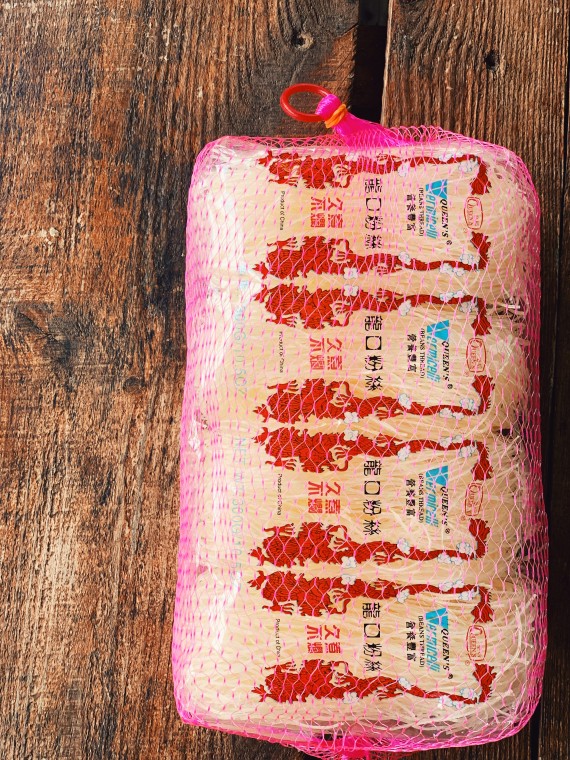
16 oz. glass noodles (woon sen) – Also known as Thai mung bean vermicelli, soak in room-temp water until soft.
Pad Thai Sauce
Pro tip: Authentic Pad Thai sauce always contains the trinity of tamarind, fish sauce, and palm sugar!)
- ½ of a tamarind block or ¾ cup tamarind concentrate – I prefer using a tamarind block and making my own paste since it gives the sauce a deep, tangy flavor that isn’t watered down. If you’re short on time, jarred tamarind concentrate works great too!
- ¾ cup palm sugar, finely chopped –It’s made from the sap of coconut trees and adds a mild caramel flavor that balances the sour tamarind. If you prefer a less sweet Pad Thai, start with ½ cup palm sugar and ½ cup brown sugar and adjust to taste.
- ¾ cup brown sugar – Using both palm sugar and brown sugar layers the sweetness and makes the sauce taste more complex than using just one sweetener.
- ⅓–½ cup fish sauce – Don’t let the smell scare you! Fish sauce adds incredible umami depth. Start with ⅓ cup, taste your sauce, and add more if you like it a little saltier.
- ½ cup water – This helps thin the sauce so it coats the noodles evenly.

Stir-Fry Ingredients
- 4–6 tablespoons coconut oil (or oil of choice) – Coconut oil is my favorite for its subtle richness, but you can use any neutral, high-heat oil you like.
- 6 garlic cloves, minced – Garlic is essential for that classic Pad Thai aroma and punchy base flavor.
- 2 shallots, finely chopped (optional) – Shallots add sweetness and depth, but you can skip them if you want, I typically do.
- 4 servings shrimp, peeled and deveined – You can use any protein, but shrimp is traditional and our fav. Use medium or large shrimp. You can leave the tails on like they do in Thailand, or remove them for easier eating.
- 4 eggs, beaten – The eggs get scrambled into the noodles and help bind everything together.
- 2 cups fried tofu or extra firm tofu strips (optional) – Fried tofu is traditional and adds protein and texture. If using extra firm tofu, pan-fry it first so it stays firm in the noodles.
- 1.5 cups fresh green onions or garlic chives, cut into 2-inch pieces – Garlic chives are traditional in Thailand, but green onions work great if you can’t find them.
- 2 cups fresh bean sprouts – Add at the end for crunch and freshness.
- ¼ cup preserved radish, chopped (optional) – A salty-sweet condiment that’s used in authentic Pad Thai. I can rarely find it here in the US, so I usually leave it out, but it’s a fun add-in if you can find it!
Toppings to Have on the Table
- Sugar – For those who prefer a little more sweetness.
- Dried Thai chili flakes – Adds heat and lets everyone adjust spice to their liking.
- Crushed peanuts – The nutty crunch balances the sweet-savory sauce.
- Lime wedges – A squeeze of lime brightens all the flavors right before eating.
- Extra bean sprouts and garlic chives – For extra freshness and crunch.
How to Make Woon Sen Pad Thai


Step 1: Soak the Glass Noodles
Soak 16 oz. of glass noodles in room-temperature water for 15–20 minutes, just until soft and flexible. Drain and set aside.
Step 2: Make the Sauce
If using ½ of a tamarind block, cover it in about 1 cup of warm water for 10 minutes to soften. Then press the pulp through a fine-mesh colander using a spatula or spoon, scraping the paste from the underside of the colander. Discard the seeds and fibers.
For the traditional Thai method, which is what I do, you can use your hands to squeeze out the pulp, make a paste, and throw away the seeds and fibers.
Measure out ¾ cup of the paste. Or, if you prefer the easiest route, use ¾ cup jarred tamarind concentrate.
Add the tamarind paste to a small pot with ¾ cup palm sugar, ¾ cup brown sugar, and ⅓ to ½ cup fish sauce. Start with ⅓ cup fish sauce, which is what most of my American cooking class students prefer, then add more to taste if you like it saltier. Stir over medium heat until the sugars dissolve. Taste and adjust as needed, more fish sauce for salty, more tamarind for sour, or more sugar for sweet.


Step 3: Cook the Aromatics and Shrimp
Important note: Only cook two servings of noodles at a time, so they do not get gummy from too much moisture. You will do this recipe in two batches.
To help keep the noodles from clumping, I like to cook the protein separately and set it aside. Heat 2 to 3 tablespoons coconut oil over medium high heat in a large cast iron skillet or wok.
Add 3 garlic cloves, minced and 1 shallot, minced (optional), stirring until fragrant. Add all the shrimp (4 servings) and cook just until pink. Remove immediately to keep them tender, then set aside.
Step 4: Add the Eggs
Make sure everything is prepped and close to the stove since these next steps go quickly.
Turn the heat to high, add 2 tbsp or so of oil if needed to the same wok, and toss in a little more garlic. Add 2 beaten eggs and scramble until set.
Step 5: Cook the Noodles
Add soaked glass noodles and a ladle of sauce, tossing quickly with tongs to coat evenly. Add more sauce gradually as noodles soften and absorb flavor.

Step 6: Combine Everything
Once noodles are soft, add 1 cup fried tofu strips (optional), half the cooked shrimp, 3/4 cup green onions or garlic chives, cut into 2-inch pieces, 1 cup fresh bean sprouts, and 2 tablespoons pickled radish (optional). Toss quickly, then turn off the heat.
Repeat with the second batch.
You might have some extra sauce left over. Store it in a jar in the fridge for up to 2–3 weeks, or freeze it for up to 3 months. Just give it a stir before using again.
Step 7: Serve with Toppings
Serve immediately with lime wedges, peanuts, extra sprouts, and chili flakes on the table.
Additions and Substitutions
- Glass noodle substitute: Korean sweet potato noodles, Pad Thai Shrimp rice noodles, or even spaghetti (al dente).
- Shrimp substitute: Chicken Pad Thai, Pad Thai Beef, Thai fried tofu, or pork.
- Fish sauce substitute: 2½ tbsp soy sauce + 2½ tbsp vinegar + pinch of salt for ⅓ cup fish sauce. For a vegan version that uses a miso-based fish sauce substitute, see my Vegan Pad Thai post.
- Bean sprouts substitute:Fresh green beans cut into 2-inch pieces. Thai Hubby is from Sukhothai and they always put green beans in their Pad Thai in that area, so often we just use green beans since where we leave it can be hard to find fresh bean sprouts.
- Tamarind substitute: ½ cup rice vinegar + ¼ cup lime juice.
- Palm sugar substitute: Extra brown sugar.
- Less sugar: Prefer less sugar? Start with half the sugar, then taste and adjust. Authentic Pad Thai balances sweet, sour, salty, and savory, and this sauce is for 6 servings, so the sweetness is spread out and balanced by tamarind and fish sauce. Try it as written first, then tweak if needed, or add more fish sauce as mentioned in the recipe.
- Dried shrimp (optional): Many Pad Thai vendors in Thailand add tiny dried shrimp for extra umami. I used to always skip them, but now I enjoy the depth of flavor they bring, but often can’t find them in America. If you find some, try adding a tablespoon or two to the stir-fry with the garlic.
Tips for the Best Woon Sen Pad Thai
- Make ahead: The Pad Thai sauce and veggies can be prepped a day or two in advance. Store the sauce in the fridge and chopped veggies in containers, then stir-fry everything fresh when you’re ready to eat and it only takes a few minutes!
- Use a large cast iron skillet or wok so the noodles cook evenly and don’t steam too much. A wide surface area keeps them springy instead of soggy.
- Cook noodles in small batches to prevent clumping.
- Don’t over-soak the glass noodles — they only need to be flexible, not fully soft before stir-frying.
- Add sauce gradually — too much at once makes noodles soggy.
- Let everyone add their own toppings for a true Thai street food experience.
Storing and Reheating Woon Sen Pad Thai
- Fridge: Store leftovers in an airtight container for up to 3 days.
- Freezer: Sauce freezes beautifully, but I don’t recommend freezing the noodles.
- Reheating: Toss the Pad Thai in a skillet with oil, a splash of water, or extra Pad Thai sauce and stir until warmed through. To learn more about how to reheat Pad Thai, check out my post and learn the top 3 ways!
Behind the Woon Sen Pad Thai Recipe

I remember seeing Woon Sen noodles for the first time when working in Bangkok during my lunch break.
My co-worker and I had walked together to the bustling market down the street from our office building. I saw the vendor put the slippery, translucent almost like noodles from an alien world into a white styrofoam to-go container and I was amazed by them and asked her about them.
“I’m on a diet right now, and many Thais like to eat Woon Sen noodles when we are trying to lose weight because they are healthier for you, but they also taste good!”
After she said that I looked it up to learn more and, I’ve discovered that glass noodles are better for you than rice noodles:
- Lower in Calories & Carbs: Glass noodles are made from mung bean starch and are naturally lower in calories and carbs compared to rice noodles, which makes them a go-to for people watching their calorie intake.
- Light & Easy to Digest: Their light, springy texture feels less heavy, which is why many Thais love eating them in the evening or when they want a meal that doesn’t weigh them down.
- Great for Portion Control: Because glass noodles expand and absorb sauce, a little goes a long way — making the dish feel filling without needing a large serving.
Now, years later in Boone, I make Woon Sen Pad Thai when I’m craving something a little lighter than regular Pad Thai.
My kids love how “clear noodles” look on their plates, and Thai Hubby loves that it tastes just like the Shrimp Pad Thai from the Bangkok stall where we used to stop on date nights, but a lighter version of it!
Woon Sen Pad Thai FAQs
They’re made from mung bean starch and turn translucent when cooked, giving them that springy, chewy bite.
Yes! The glass noodles have a lighter, bouncy texture and soak up the sauce differently than rice noodles. It feels a little lighter and less filling, but still packed with flavor.
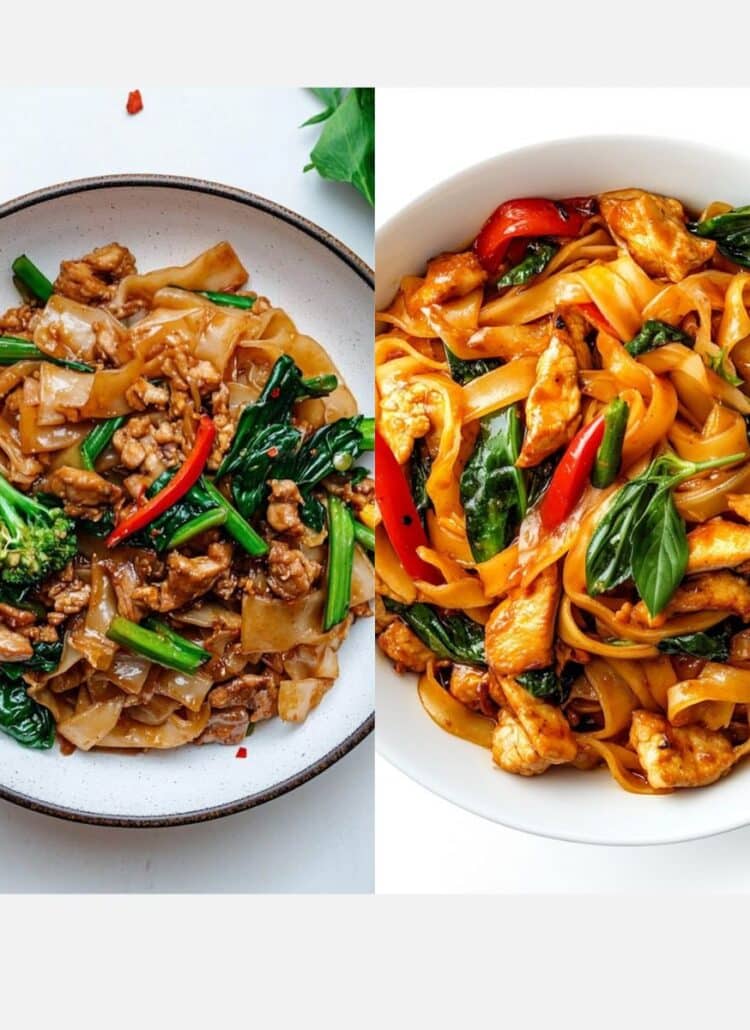
Pad Thai is made with rice noodles and has a sweet-sour sauce from tamarind, palm sugar, and fish sauce. Pad Woon Sen uses glass noodles and is often stir-fried with a lighter soy-based sauce and more veggies. Woon Sen Pad Thai is a fun hybrid that it uses Pad Thai sauce but swaps in glass noodles for a lighter dish.
Yes! Many Thais choose woon sen when they want a lighter meal. Glass noodles are lower in calories and carbs than rice noodles and feel less heavy. Use lean protein, lots of veggies, and just enough sauce for a fresh, balanced dish.
Glass noodles are slightly lower in calories and carbs compared to rice noodles, making them a lighter choice. My Thai friends like to eat glass noodles when they are on a diet.
It’s naturally gluten-free! Learn more about Gluten-Free Pad Thai here!
The sauce and veggies can be prepped a day or two in advance. Store the sauce in the fridge and chopped veggies in containers, then stir-fry everything fresh when you’re ready to eat and it only takes a few minutes!
Great question! Check out my Pad Thai vs. Pad See Ew to discover all the secrets behind each dish!
What to Serve with Woon Sen Pad Thai
Woon Sen Pad Thai in Thailand is usually served as a one dish meal on its own, but if you want to make it part of a Thai-style dinner spread, here are my favorite pairings.
- Som Tum Thai Green Papaya Salad – The tangy, spicy crunch of green papaya salad balances the sweet-savory glass noodles perfectly.
- Thai Egg Rolls – Add a crispy appetizer with sweet chili dipping sauce for a restaurant-style touch.
- Shrimp Tom Yum Soup – A hot-and-sour Thai soup with shrimp that keeps things light and zesty.
- Cha Ma Nao (Thai Lime Tea) – Cool and refreshing, just like you’d drink with street food in Thailand.
And if you’d love to learn in person, join me in Boone for a Thai cooking class, sometimes Woon Sen Pad Thai even makes an appearance!
If you make it, I want to see! Take a pic and tag me on Instagram @thaifoodie!
Want to Try Another Pad Thai?
- Pad Thai Sauce – make-ahead base for any version
- Chicken Pad Thai – probably the most ordered Thai dish in America
- Beef Pad Thai – fav for all the beef lovers like Thai Hubby
- Shrimp Pad Thai – shrimp is the traditional protein that it’s served in Thailand
- Vegan Pad Thai with Tofu – made with a miso-based vegan fish sauce
Woon Sen Pad Thai (Glass Noodle Pad Thai)
- Total Time: 30 minutes
- Yield: 4-6 1x
- Diet: Gluten Free
Description
Make authentic Woon Sen Pad Thai at home with refreshing glass noodles, tangy tamarind sauce, and all the Thai street food flavor you love!
Ingredients
Noodles
-
16 oz. glass noodles (woon sen)
Pad Thai Sauce
-
½ of a tamarind block or ¾ cup tamarind concentrate
-
¾ cup palm sugar, finely chopped
-
¾ cup brown sugar
-
⅓–½ cup fish sauce
-
½ cup water
Stir-Fry Ingredients
-
4–6 tablespoons coconut oil (or oil of choice)
-
6 garlic cloves, minced
-
2 shallots, finely chopped (optional)
-
4 servings shrimp, peeled and deveined
-
4 eggs, beaten
-
2 cups fried tofu or extra firm tofu strips (optional)
-
1.5 cup fresh green onions (1 bunch) or garlic chives, cut into 2-inch pieces
-
2 cups fresh bean sprouts
-
¼ cup preserved radish, chopped (optional)
Toppings
-
Sugar
-
Crushed peanuts
-
Lime wedges
-
Extra bean sprouts and garlic chives
Instructions
Soak 16 oz. of glass noodles in room-temperature water for 15–20 minutes, just until soft and flexible. Drain and set aside.
If using ½ of a tamarind block, cover it in about 1 cup of warm water for 10 minutes to soften. Then press the pulp through a fine-mesh colander using a spatula or spoon, scraping the paste from the underside of the colander. Discard the seeds and fibers.
For the traditional Thai method, which is what I do, you can use your hands to squeeze out the pulp, make a paste, and throw away the seeds and fibers.
Measure out ¾ cup of the paste. Or, if you prefer the easiest route, use ¾ cup jarred tamarind concentrate.
Add the tamarind paste to a small pot with ¾ cup palm sugar, ¾ cup brown sugar, and ⅓ to ½ cup fish sauce. Start with ⅓ cup fish sauce, which is what most of my American cooking class students prefer, then add more to taste if you like it saltier. Stir over medium heat until the sugars dissolve. Taste and adjust as needed — more fish sauce for salty, more tamarind for sour, or more sugar for sweet.
Important note: Only cook two servings of noodles at a time, so they do not get gummy from too much moisture. You will do this recipe in two batches.
To help keep the noodles from clumping, I like to cook the protein separately and set it aside. Heat 2 to 3 tablespoons coconut oil over medium high heat in a large cast iron skillet or wok. Add 3 garlic cloves, minced and 1 shallot, minced (optional), stirring until fragrant. Add all the shrimp (4 servings) and cook just until pink. Remove immediately to keep them tender, then set aside.
Make sure everything is prepped and close to the stove since these next steps go quickly.
Turn the heat to high, add 2 tbsp or so of oil if needed, and toss in a little more garlic. Add 2 beaten eggs and scramble until set.
Add soaked glass noodles and a ladle of sauce, tossing quickly with tongs to coat evenly. Add more sauce gradually as noodles soften and absorb flavor.
Once noodles are soft, add 1 cup fried tofu strips (optional), half the cooked shrimp, 3/4 cup green onions or garlic chives, cut into 2-inch pieces, 1 cup fresh bean sprouts, and 2 tablespoons pickled radish (optional). Toss quickly, then turn off the heat.
Repeat with the second batch. You might have some extra sauce left over. Store it in a jar in the fridge for up to 2–3 weeks, or freeze it for up to 3 months. Just give it a stir before using again.
Serve immediately with lime wedges, peanuts, extra sprouts, and chili flakes on the table.
Notes
Additions and Substitutions
- Glass noodle substitute: Korean sweet potato noodles, rice noodles, or even spaghetti (al dente).
- Shrimp substitute: Chicken Pad Thai, Beef Pad Thai, Thai fried tofu, or pork.
- Fish sauce substitute: 2½ tbsp soy sauce + 2½ tbsp vinegar + pinch of salt for ⅓ cup fish sauce. For a vegan version that uses a miso-based fish sauce substitute, see my Vegan Pad Thai post.
- Bean sprouts substitute:Fresh green beans cut into 2-inch pieces. Thai Hubby is from Sukhothai and they always put green beans in their Pad Thai in that area, so often we just use green beans since where we leave it can be hard to find fresh bean sprouts.
- Tamarind substitute: ½ cup rice vinegar + ¼ cup lime juice.
- Palm sugar substitute: Extra brown sugar.
- Less sugar: Prefer less sugar? Start with half the sugar, then taste and adjust. Authentic Pad Thai balances sweet, sour, salty, and savory, and this sauce is for 6 servings, so the sweetness is spread out and balanced by tamarind and fish sauce. Try it as written first, then tweak if needed, or add more fish sauce as mentioned in the recipe.
- Dried shrimp (optional): Many Pad Thai vendors in Thailand add tiny dried shrimp for extra umami. I used to always skip them, but now I enjoy the depth of flavor they bring, but often can’t find them in America. If you find some, try adding a tablespoon or two to the stir-fry with the garlic.
Tips for the Best Woon Sen Pad Thai
- Make ahead: The Pad Thai sauce and veggies can be prepped a day or two in advance. Store the sauce in the fridge and chopped veggies in containers, then stir-fry everything fresh when you’re ready to eat and it only takes a few minutes!
- Use a large cast iron skillet or wok so the noodles cook evenly and don’t steam too much. A wide surface area keeps them springy instead of soggy.
- Cook noodles in small batches to prevent clumping.
- Don’t over-soak the glass noodles — they only need to be flexible, not fully soft before stir-frying.
- Add sauce gradually — too much at once makes noodles soggy.
- Let everyone add their own toppings for a true Thai street food experience.
- Prep Time: 15
- Cook Time: 15
- Category: Noodles
- Method: Stir-Fry
- Cuisine: Thai
This post contains links to affiliate websites, such as Amazon, and we receive an affiliate commission for any purchases made by you using these links. We appreciate your support!



Love that this recipe uses glass noodles! So fun!